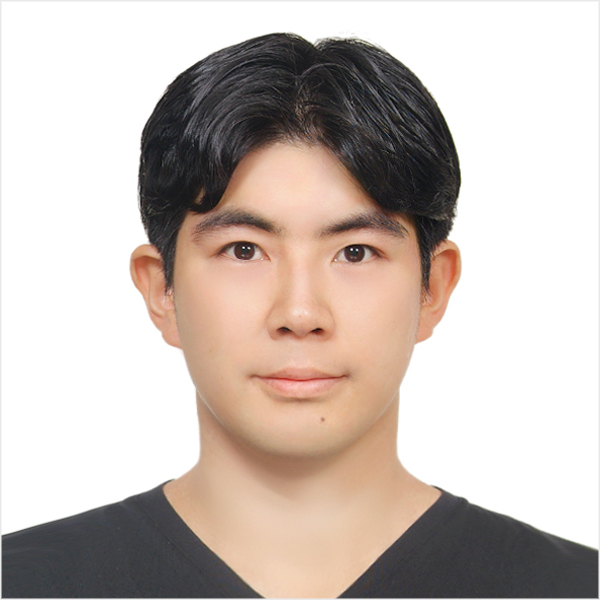
Jin-Gyu Cheong, Ph.D.
Postdoctoral Research Fellow
Human Oncology & Pathogenesis Program, Memorial Sloan Kettering Cancer Center
I am a postdoctoral research fellow in the lab of Dr. Rachel Niec at Memorial Sloan Kettering Cancer Center. My research investigates how epigenetic mechanisms shape innate immune memory, with a focus on hematopoietic stem and progenitor cells (HSPCs) in the context of inflammation and tissue microenvironments. During my Ph.D. with Dr. Steven Josefowicz at Weill Cornell Medicine, I uncovered epigenetic reprogramming of innate immune cells and their bone marrow progenitors following severe COVID-19 infection, published in *Cell* (2023). I developed the PBMC-PIE workflow to analyze rare circulating HSPCs from human blood, enabling new insights into how systemic inflammation imprints lasting changes on immune cell development.
Research Interests
Education
Weill Cornell Medicine, Cornell University
Seoul National University
Konkuk University
Research
My research focuses on understanding how inflammatory experiences are durably encoded in hematopoietic stem and progenitor cells (HSPCs), and how this epigenetic memory shapes immune output in health and disease.

Epigenetic Priming in Immune-Related Adverse Events
Immune checkpoint inhibitor (ICI) therapy has transformed cancer treatment, but up to 40% of patients develop immune-related adverse events such as colitis. My ongoing research investigates whether pre-existing epigenetic states in HSPCs can predict susceptibility.
Read more →
Inflammatory Hematopoiesis in Intestinal Disease
Building on the framework of durable hematopoietic reprogramming, my current work investigates how chronic intestinal inflammation rewires the bone marrow compartment using high-resolution single-cell multi-omic atlases.
Read more →
Epigenetic Memory of Infection in Innate Immune Cells
Severe infections can leave lasting imprints on the immune system beyond adaptive immunity. During my Ph.D., I discovered that severe COVID-19 establishes durable epigenetic and transcriptional changes in HSPCs that persist for months to over a year post-infection.
Read more →